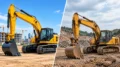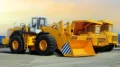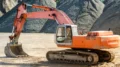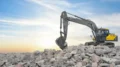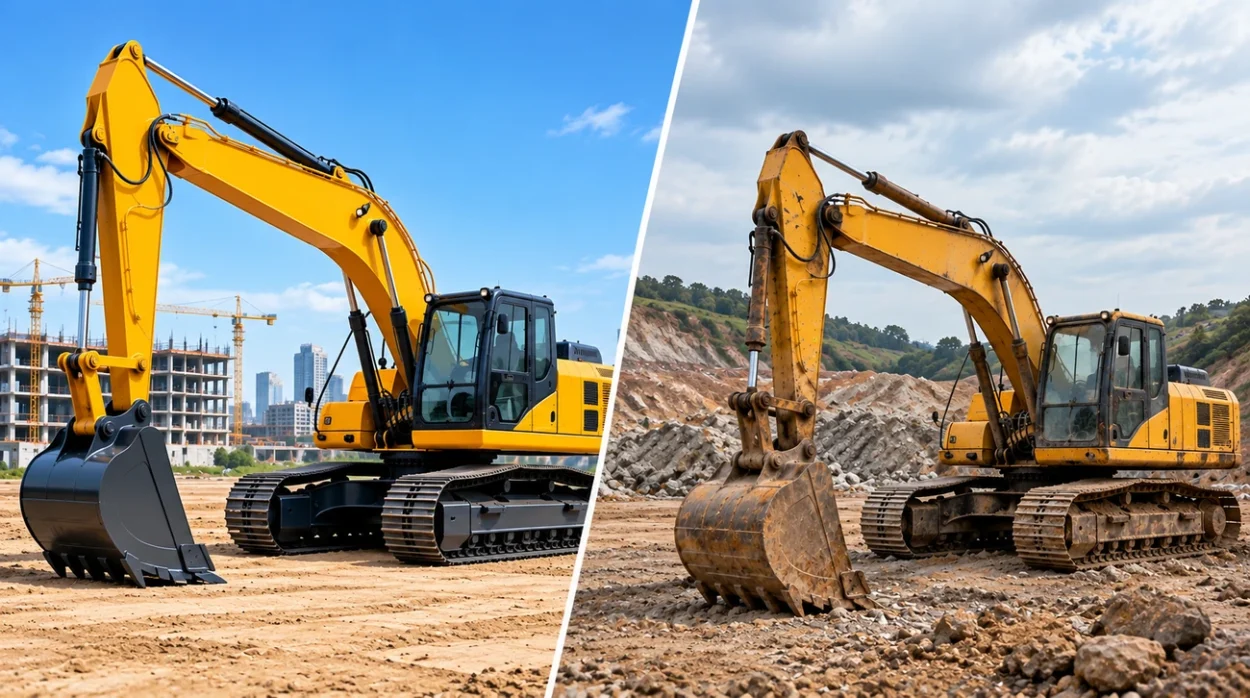
Choosing the right heavy equipment is an important investment for construction, mining, infrastructure, and industrial businesses. Whether you need an excavator, wheel loader, bulldozer, or other construction machinery, one of the first decisions you may face is whether to purchase new or used heavy equipment.
Both options have advantages and considerations. The right choice depends on your project requirements, budget, expected equipment usage, maintenance capabilities, and long-term business plans.
In this guide, we explore the key differences between new and used heavy equipment to help businesses make a more informed purchasing decision.
New vs. Used Heavy Equipment: What Is the Difference?
New heavy equipment is equipment purchased directly from a manufacturer, authorized dealer, or supplier in unused condition. It generally comes with the latest specifications, technology, and manufacturer warranty.
Used heavy equipment has previously been owned or operated. Its condition, age, operating hours, maintenance history, and overall performance can vary depending on how the equipment was used and maintained.
Neither option is automatically suitable for every business. The important consideration is whether the equipment meets your operational requirements and provides suitable value over its expected working life.
Advantages of Buying New Heavy Equipment
1. Latest Technology and Features
New construction equipment often incorporates the latest technology designed to improve productivity, operator comfort, fuel efficiency, safety, and machine performance.
Depending on the equipment and manufacturer, newer models may include improved hydraulic systems, electronic controls, monitoring systems, and other technology features.
2. Manufacturer Warranty
New machinery typically comes with a manufacturer’s warranty, subject to the applicable terms and conditions.
A warranty can provide additional protection against certain manufacturing defects and qualifying repairs during the warranty period.
3. Lower Initial Maintenance Requirements
Because new equipment has not previously been operated, it generally starts with no previous wear from field use. Routine maintenance is still necessary, but major component repairs are generally less likely during the early operating period when the machine is properly maintained.
4. Higher Equipment Availability for Long-Term Operations
For businesses planning to use machinery continuously for several years, purchasing new equipment may provide a longer expected operating life from the date of purchase.
This can be particularly relevant for contractors and businesses with long-term construction, infrastructure, mining, or industrial projects.
Advantages of Buying Used Heavy Equipment
1. Lower Purchase Cost
One of the biggest reasons businesses consider used heavy equipment is the lower initial purchase price compared with an equivalent new machine.
For businesses working with a limited equipment budget, purchasing used machinery can allow them to acquire the required equipment while allocating capital to other operational needs.
2. Faster Return on Investment
A lower purchase price can potentially reduce the amount of capital tied up in equipment.
For businesses that use machinery for specific projects or contracts, a well-maintained used machine may provide an appropriate balance between acquisition cost and operational performance.
3. Wider Equipment Selection
The used equipment market can provide access to machines from different model years, specifications, manufacturers, and operating configurations.
This can be useful when a business needs a particular machine specification that is no longer available as a new model.
4. Suitable for Short- or Medium-Term Projects
Used equipment can be a practical option when machinery is required for a specific project or for a limited period. However, the machine’s condition and expected remaining service life should be carefully evaluated before purchase.
New vs. Used Heavy Equipment: Key Factors to Consider
Before making a purchasing decision, businesses should evaluate more than just the initial price.
1. Purchase Budget
Your available budget is an important starting point.
A new machine generally requires a higher upfront investment, while used machinery may provide a lower entry cost.
However, the purchase price should not be the only factor considered. Maintenance, transportation, fuel consumption, spare parts, downtime, financing, and expected resale value can also affect the overall cost.
2. Equipment Condition
When purchasing used heavy equipment, inspect the machine carefully.
Important areas to evaluate include:
- Engine condition
- Hydraulic system
- Transmission
- Undercarriage
- Tires or tracks
- Operating hours
- Electrical systems
- Attachments
- Structural condition
- Service and maintenance records
A professional inspection can help identify potential issues before completing the purchase.
3. Maintenance History
Maintenance history is particularly important when buying used construction equipment.
Ask for available service records and check whether scheduled maintenance was carried out according to the manufacturer’s recommendations.
A machine with a documented maintenance history can provide more information about its previous use and condition.
4. Expected Usage
Consider how frequently and intensively the equipment will be used.
For example, a contractor requiring equipment for daily, heavy-duty operations may have different requirements from a company that needs a machine occasionally for specific projects.
The expected workload should influence the equipment specification and purchasing decision.
5. Availability of Spare Parts and Service
Before purchasing any heavy equipment, check the availability of genuine or suitable spare parts, technical support, and maintenance services in your operating market.
Easy access to parts and service can help reduce downtime and support long-term equipment productivity.
6. Fuel Efficiency and Operating Costs
Fuel can represent a significant operating expense for construction and mining equipment.
When comparing machines, consider:
- Fuel consumption
- Engine performance
- Operating hours
- Maintenance requirements
- Hydraulic efficiency
- Expected workload
A machine with a lower purchase price may not necessarily have the lowest overall operating cost.
Understanding the Total Cost of Ownership
One of the most important factors when purchasing heavy equipment is Total Cost of Ownership (TCO).
TCO goes beyond the purchase price and can include:
Total Cost of Ownership = Purchase Price + Transportation + Financing + Fuel + Maintenance + Repairs + Parts + Operating Costs − Resale Value
For example, a used excavator may have a lower purchase price than a new excavator, but if it requires significant repairs or has higher operating costs, the difference in total ownership cost may become smaller.
Similarly, a new machine may have a higher initial price but could provide lower maintenance requirements and better fuel efficiency depending on the model and application.
Therefore, businesses should evaluate the equipment based on its expected cost over the period they plan to own and operate it.
New vs. Used Heavy Equipment: Comparison
| Factor | New Heavy Equipment | Used Heavy Equipment |
| Initial purchase cost | Generally higher | Generally lower |
| Equipment condition | Unused | Depends on previous use |
| Warranty | Usually available | May be limited or unavailable |
| Latest technology | Generally available | Depends on model year |
| Maintenance history | New equipment | Should be verified |
| Maintenance risk | Generally lower initially | Depends on condition |
| Equipment selection | Current models | Wider range of model years |
| Depreciation | Higher initial depreciation may occur | Generally lower entry value |
| Inspection requirement | Standard checks | Detailed inspection recommended |
| Suitable for | Long-term and intensive use | Budget-conscious or project-specific requirements |
What Should You Check Before Buying Used Heavy Equipment?
If you decide to purchase used equipment, do not focus only on the machine’s age or price.
A proper evaluation should include:
Operating Hours
Check the recorded operating hours and compare them with the machine’s age and maintenance records.
Engine and Hydraulic Performance
Look for signs of leaks, unusual noise, excessive smoke, reduced power, or other performance issues.
Undercarriage
For tracked equipment such as excavators and bulldozers, inspect the tracks, rollers, sprockets, idlers, and other undercarriage components.
Structural Condition
Inspect the boom, arm, bucket, chassis, frame, and other major structural components for cracks, excessive wear, or previous repairs.
Service Records
Review available maintenance and repair documentation.
Machine History
Where possible, verify the equipment’s previous application, operating environment, ownership history, and service background.
Documentation
Ensure that the equipment documentation, serial number, ownership details, inspection records, and other relevant documents are available and consistent.
New or Used: Which Heavy Equipment Should You Choose?
The answer depends on your business requirements.
New heavy equipment may be suitable if:
- You need the latest technology and specifications.
- The equipment will be used intensively for several years.
- Manufacturer warranty is important.
- You want to minimize initial maintenance risks.
- Your project requires a new machine with specific features.
Used heavy equipment may be suitable if:
- You have a limited equipment budget.
- You need machinery for a specific project.
- A suitable used machine is available in good condition.
- You have access to reliable maintenance and spare parts.
- The machine’s history and condition can be properly verified.
The most important factor is not simply whether equipment is new or used. It is whether the machine is fit for the intended application, properly inspected, economically viable, and supported by a reliable supplier.
How to Choose a Reliable Heavy Equipment Supplier
The supplier you purchase from can have a significant impact on your equipment-buying experience.
Before placing an order, consider:
- Product quality and inspection process
- Equipment specifications
- Machine history and documentation
- Pricing transparency
- Availability of spare parts
- Shipping and logistics support
- Payment terms
- After-sales support
- Supplier experience
- International trading capabilities
For international purchases, businesses should also consider shipping documentation, export procedures, delivery timelines, and the supplier’s ability to coordinate logistics.
Heavy Equipment for Construction, Mining and Industrial Applications
Different projects require different types of machinery.
Common heavy equipment includes:
- Excavators
- Wheel loaders
- Bulldozers
- Backhoe loaders
- Motor graders
- Dump trucks
- Cranes
- Compactors
- Material handling equipment
Selecting the correct machine based on application, capacity, operating environment, and project requirements can help businesses improve productivity and manage equipment costs.
Conclusion
The decision between new and used heavy equipment should be based on more than the initial purchase price.
New machinery can provide access to the latest technology, manufacturer warranty, and a new operating life. Used equipment can offer a lower acquisition cost and may be suitable for businesses looking for cost-effective machinery for specific applications.
Before making a purchase, evaluate the equipment’s condition, maintenance history, operating costs, expected workload, spare-parts availability, documentation, and total cost of ownership.
Whether you are purchasing an excavator, wheel loader, bulldozer, or other construction machinery, working with a reliable heavy equipment supplier can help you make a more informed investment.
Looking for reliable heavy equipment for your next project?
Sharpedge Global supplies heavy equipment for construction, mining, infrastructure, and industrial applications, helping businesses source machinery based on their operational requirements and project needs.
Contact Sharpedge Global to discuss your heavy equipment requirements.